
🌟黄輝光一の
おとなの童話「ピック」のコンセプト10か条
――死を入口に、魂の目覚めへ――
第1条
死は、終わりではなく〈真実への入口〉として描かれる
ピックの物語において、
「死」は恐怖でも罰でもない。
それは、人生の意味が反転する瞬間であり、
生を照らし返す“裏側の光”である。
第2条
童話は、死を説明しない。死を〈感じさせる〉
理屈・教義・教訓ではなく、
読者自身が
「もしかして、死は…」
と心の奥で気づいてしまう構造をとる。
👉 読後に残るのは答えではなく、静かな確信。
第3条
子どもの視線を借りて、大人の固定観念をほどく
ピックは賢者ではない。
しかし、大人よりも
「まだ染まっていない感性」を持つ存在。
その無垢な問いが、
大人たちの“思い込みの世界”を
そっと揺るがす。
第4条
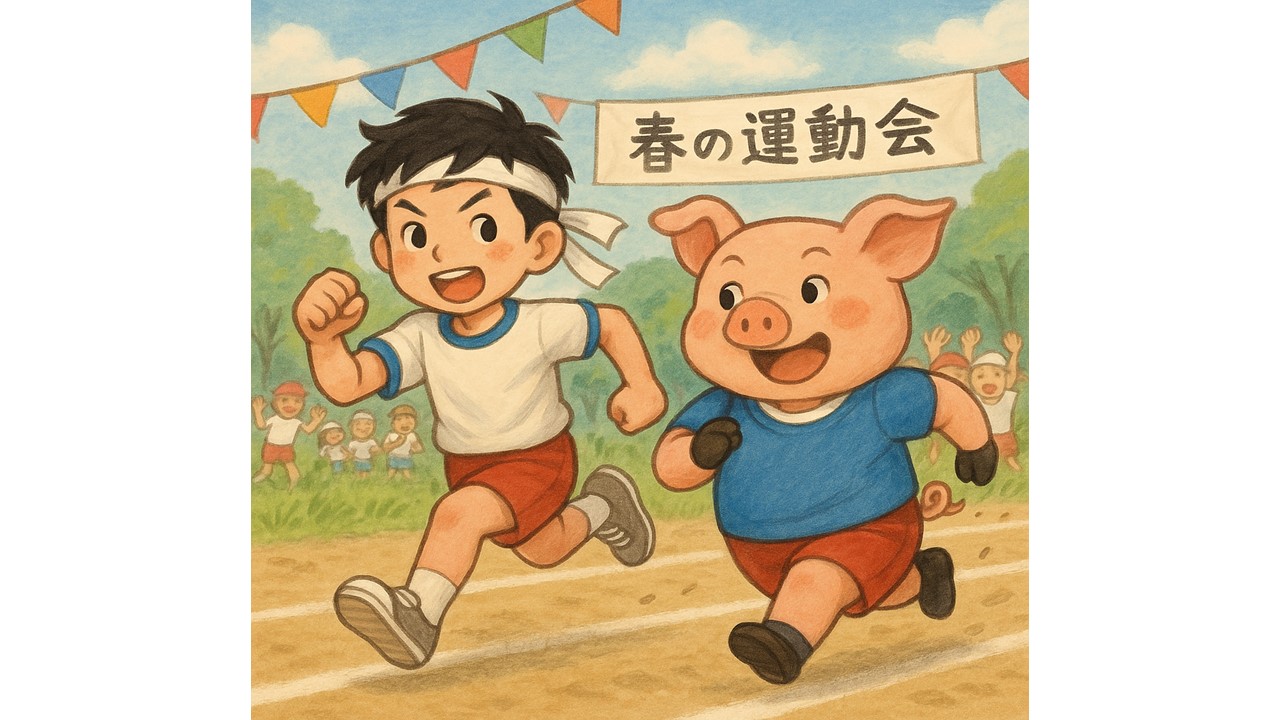
勝ち負け・優劣・比較は、人生の本質ではない
「ピックと春の運動会」で示された通り、
人生は競争ではない。
- 早いか遅いか
- 強いか弱いか
ではなく、
👉 どんな心で生きたか
が、物語の中心に据えられる。
第5条
友情とは、同じ答えを持つことではなく、同じ問いを抱くこと
ピックと健太くんの友情は、
利害でも依存でもない。
それは、
「分からないことを、分からないまま一緒に見つめる関係」。
👉 ここに、大人の友情の理想像がある。
第6条
大人(教師・権威者)は、必ずしも真実を知っていない
校長先生や教師たちは、
社会的には「正しい側」にいる。
しかし彼らは
死の真実を知らない存在として描かれる。
👉 肩書きと真理は一致しない、という静かな批評。
第7条
善悪ではなく、霊性の〈成熟度〉で世界を描く
この童話において、
- 善人/悪人
ではなく - 目覚めているか/眠っているか
が、人物配置の基準となる。
これは、
将来、動物食・宇宙人・霊的文明へと
自然に拡張できる土台概念である。
第8条
語られない真理ほど、物語の芯に深く埋め込む
- 動物を食べない霊的成熟
- 高度な宇宙文明
- 利他と博愛の必然性
これらは、
今は“説明されない前提”として沈んでいる。
👉読者の成長とともに、
あとから芽吹く〈伏線〉である。
第9条
救いは、外から与えられない。内側で目覚める
奇跡も、神の声も、派手な救済もない。
あるのは、
- 気づき
- 共鳴
- 静かな納得
👉 それこそが、
おとなの魂にふさわしい救いである。
第10条
この童話は、ピックで終わらない
ピックは、あくまで第一の器。
今後は、
- 別の子ども
- 別の大人
- 別の世界
が主人公になっても、
この10か条は揺るがない背骨として生き続ける。
✨総括(黄輝光一の作家宣言として)
黄輝光一のおとなの童話は、
子どもに向けて書かれ、
大人の魂に届き、
そして「死を、希望として回収する」文学である。
🌍
The Ten Core Principles of
Pikku— An Adult Fairy Tale by Kōki Kōichi
A Fairy Tale That Enters Through Death and Awakens the Soul
Principle 1
Death is portrayed not as an end, but as a gateway to truth.
In Pikku, death is neither fear nor punishment.
It is the moment when the meaning of life quietly turns over
and reveals its hidden reverse side.
Principle 2
Death is not explained — it is felt.
This fairy tale does not teach doctrines or answers.
Instead, it allows the reader to sense,
almost involuntarily,
that death may not be what they once believed.
Principle 3
The child’s perspective is used to loosen the fixed ideas of adults.
Pikku is not a wise teacher.
Yet his untainted sensitivity asks questions
that gently unsettle the rigid assumptions of grown-ups.
Principle 4
Life is not about winning or losing.
As shown in Pikku and the Spring Sports Day,
life is not a competition.
What matters is not strength, speed, or rank,
but the quality of one’s heart while living.
Principle 5
True friendship means sharing questions, not answers.
The bond between Pikku and Kenta
is not based on agreement or dependence.
It is the courage
to face the unknown together, without certainty.
Principle 6
Authority figures do not necessarily know the truth.
Teachers and principals may represent correctness in society,
yet they are portrayed as those
who do not understand the truth about death.
Titles and truth are not the same.
Principle 7
The world is depicted not by good and evil, but by spiritual maturity.
Characters are not divided into the righteous and the wicked,
but into those who are awake
and those who are still asleep.
Principle 8
The deepest truths are embedded, not declared.
Ideas such as
non-violence toward animals,
spiritually advanced beings,
and altruism
are quietly planted beneath the surface.
Principle 9
Salvation is not given from outside — it awakens from within.
There are no dramatic miracles.
Only realization, resonance, and quiet acceptance.
Principle 10
Pikku is only the beginning.
Pikku is the first vessel of this worldview.
Future stories may feature other children, adults, or worlds —
yet these principles remain the unshakable backbone.
✨Closing Statement
Kōki Kōichi’s adult fairy tales are written for children,
reach the souls of adults,
and ultimately transform death into hope.
コメント